
Construction sites are among the most vulnerable work environments due to the presence of valuable equipment, materials, and temporary structures. Without proper security measures, these sites can become targets for theft, vandalism, and unauthorized access. A well-planned construction site security strategy is essential not only for protecting assets but also for ensuring worker safety and project continuity.
One of the first steps in securing a construction site is perimeter control. A strong physical barrier such as fencing should surround the entire site to clearly define boundaries and prevent easy entry. Chain-link fencing is commonly used because it is durable and cost-effective. Gates should be secured with heavy-duty locks and monitored during working construction site security and non-working hours. Clear signage such as “Authorized Personnel Only” or “Danger: Construction Area” also acts as a deterrent to intruders.
Access control is another critical component. Only authorized personnel should be allowed entry into the site. This can be managed through security guards stationed at entry points, visitor logbooks, or digital access systems such as ID cards and biometric scanners. Tracking who enters and exits helps maintain accountability and reduces the risk of unauthorized access.
Surveillance systems play a major role in modern construction site security. Installing CCTV cameras at strategic points allows continuous monitoring of activities both day and night. High-resolution cameras with night vision capability are especially useful for detecting suspicious behavior in low-light conditions. Remote monitoring systems enable site managers to view live footage from off-site locations, improving response time in case of incidents.
Proper lighting is often overlooked but is highly effective in preventing crime. Well-lit areas reduce hiding spots and make it difficult for intruders to go unnoticed. Motion-activated lights can further enhance security by drawing attention to movement during off-hours. Lighting should be installed around entry points, storage areas, and equipment zones.
Securing materials and equipment is equally important. Valuable tools and machinery should be stored in locked containers or secure storage units when not in use. Tracking systems such as GPS devices can be installed on heavy equipment to monitor their location in real time. This not only helps prevent theft but also assists in recovery if equipment is stolen.
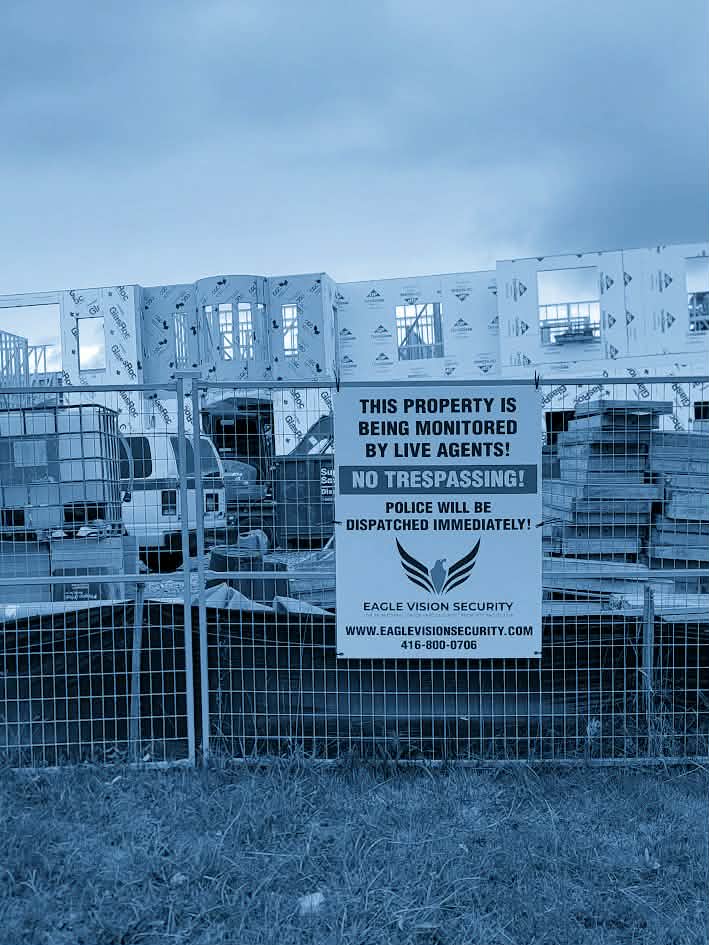
Hiring trained security personnel adds an additional layer of protection. Guards should patrol the site regularly, especially during night shifts and weekends. Their presence alone can deter criminal activity. Security staff should also be trained to respond quickly to emergencies and report suspicious activities immediately.
Finally, regular risk assessments should be conducted to identify potential security weaknesses. As the construction project progresses, the layout and risks of the site may change, so security plans should be updated accordingly.
In conclusion, construction site security requires a combination of physical barriers, surveillance technology, access control, and trained personnel. A proactive and layered approach ensures that both assets and workers remain protected, minimizing delays and financial losses throughout the project lifecycle.

